
Origin with traceability
and sustainability.
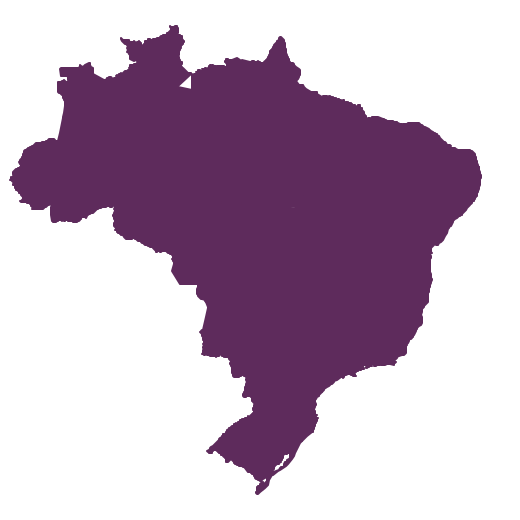
Brazilian GIs
A Geographical Indication is INPI’s recognition of a place name tied to a product: coffee from a mountain range, cheese from a region, honey from a biome. The name may only be used by those who produce there, under rules the region itself wrote.
A managing entity from the region itself — association, council or cooperative formed by producers — runs the system. It registers who produces, verifies what leaves each property, and answers for the collective name.
Brazil has more than 100 registered GIs. This showcase brings together the 20 regions that already run lot-by-lot origin control.
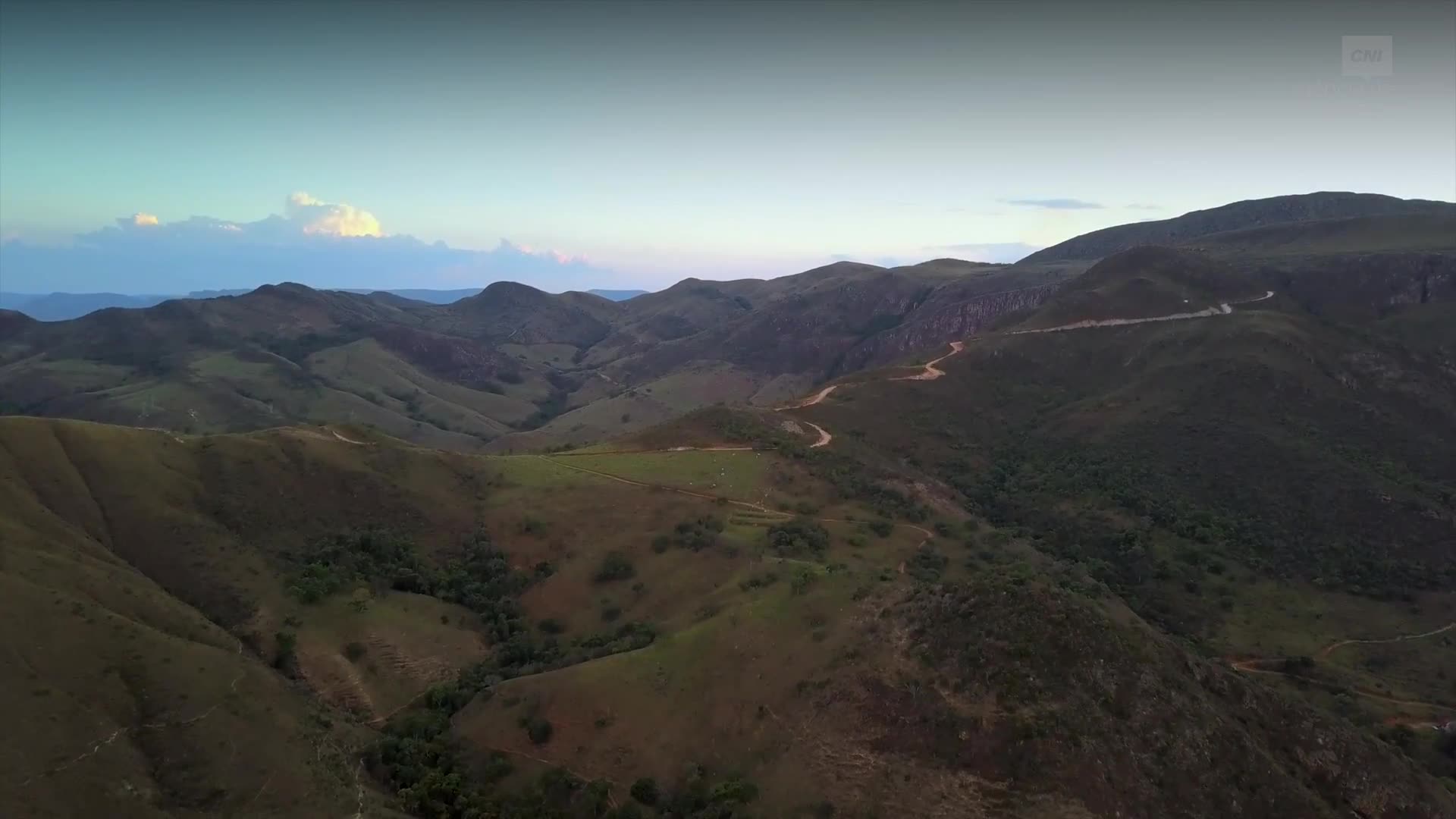
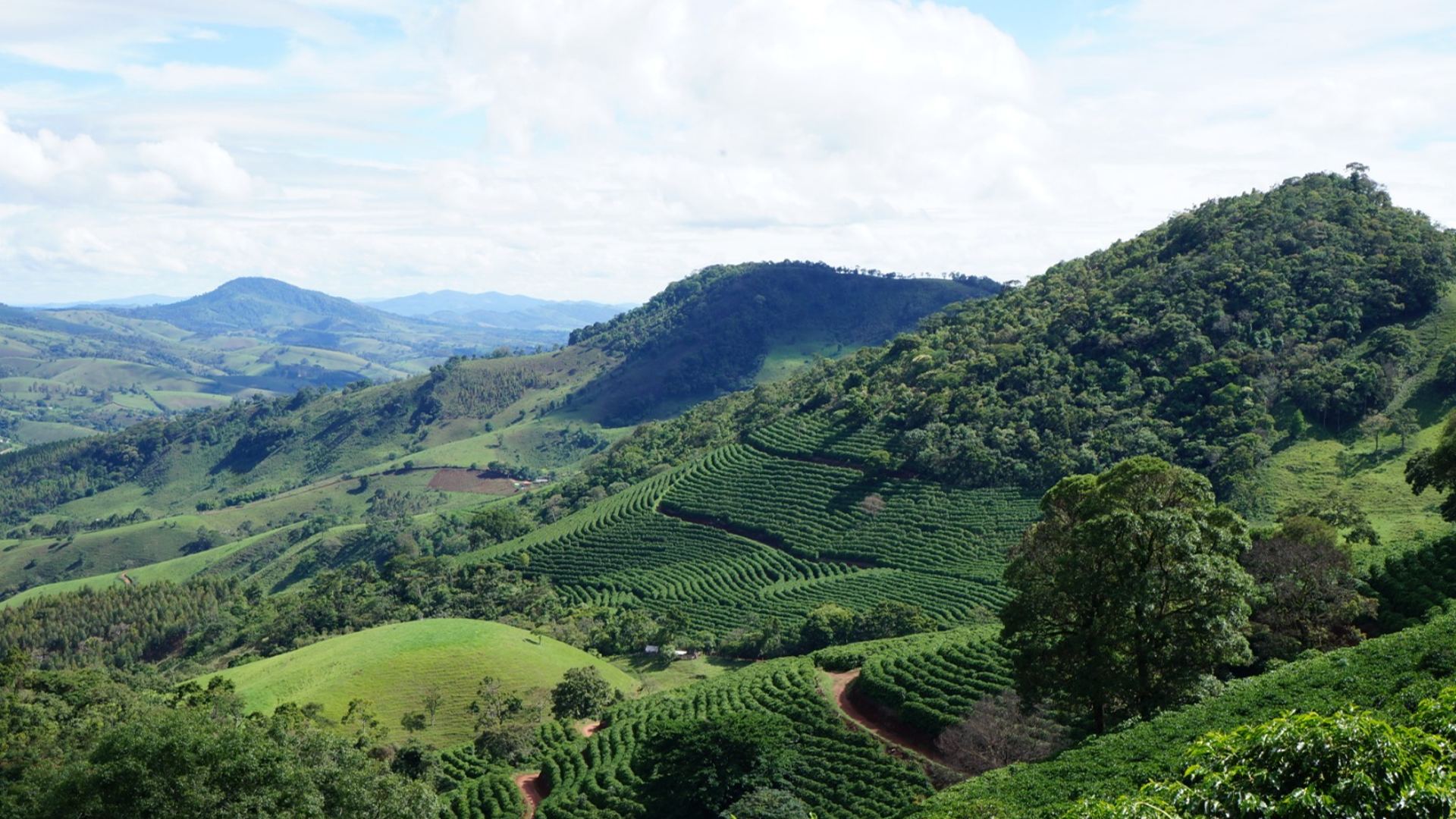
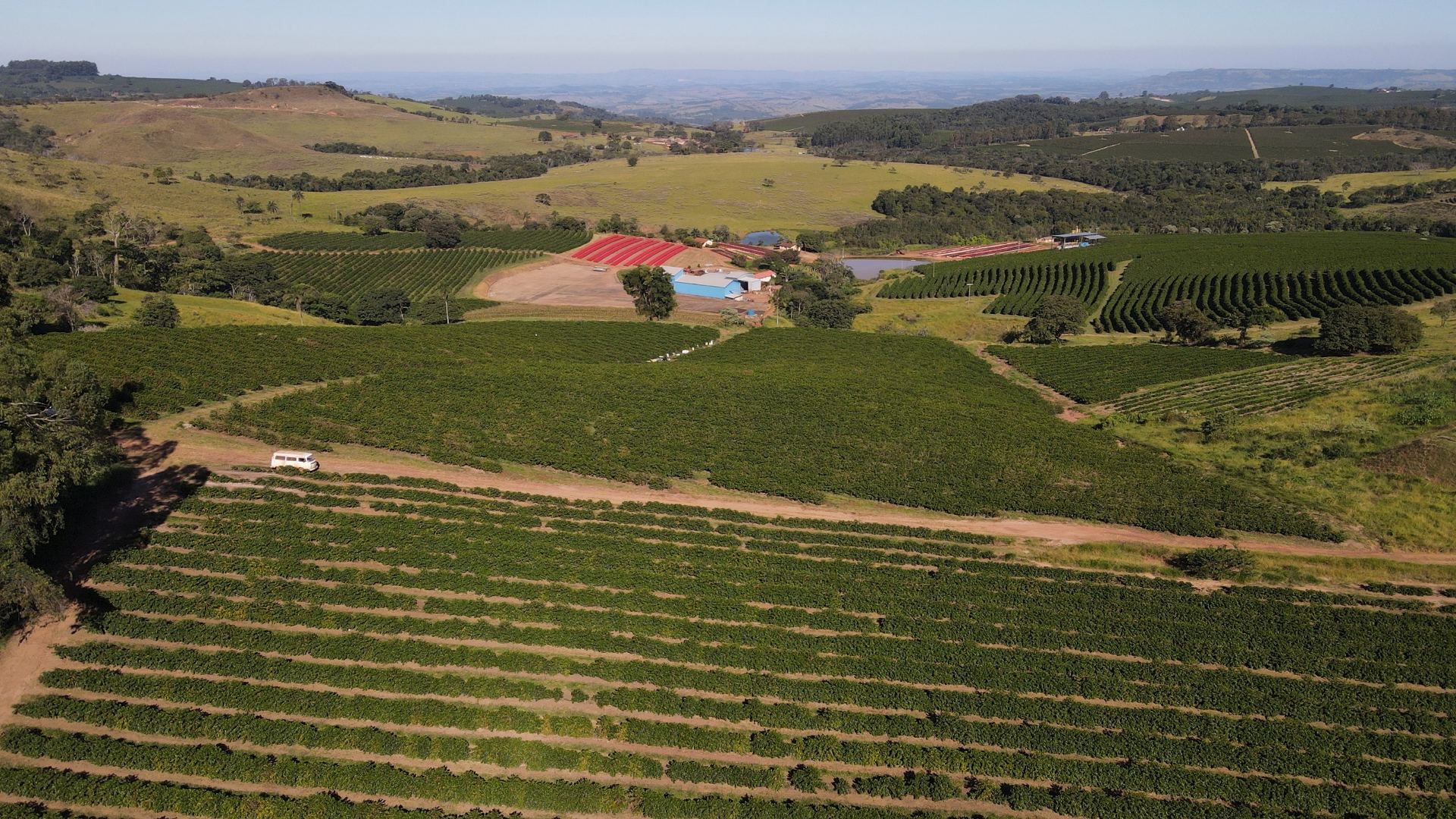
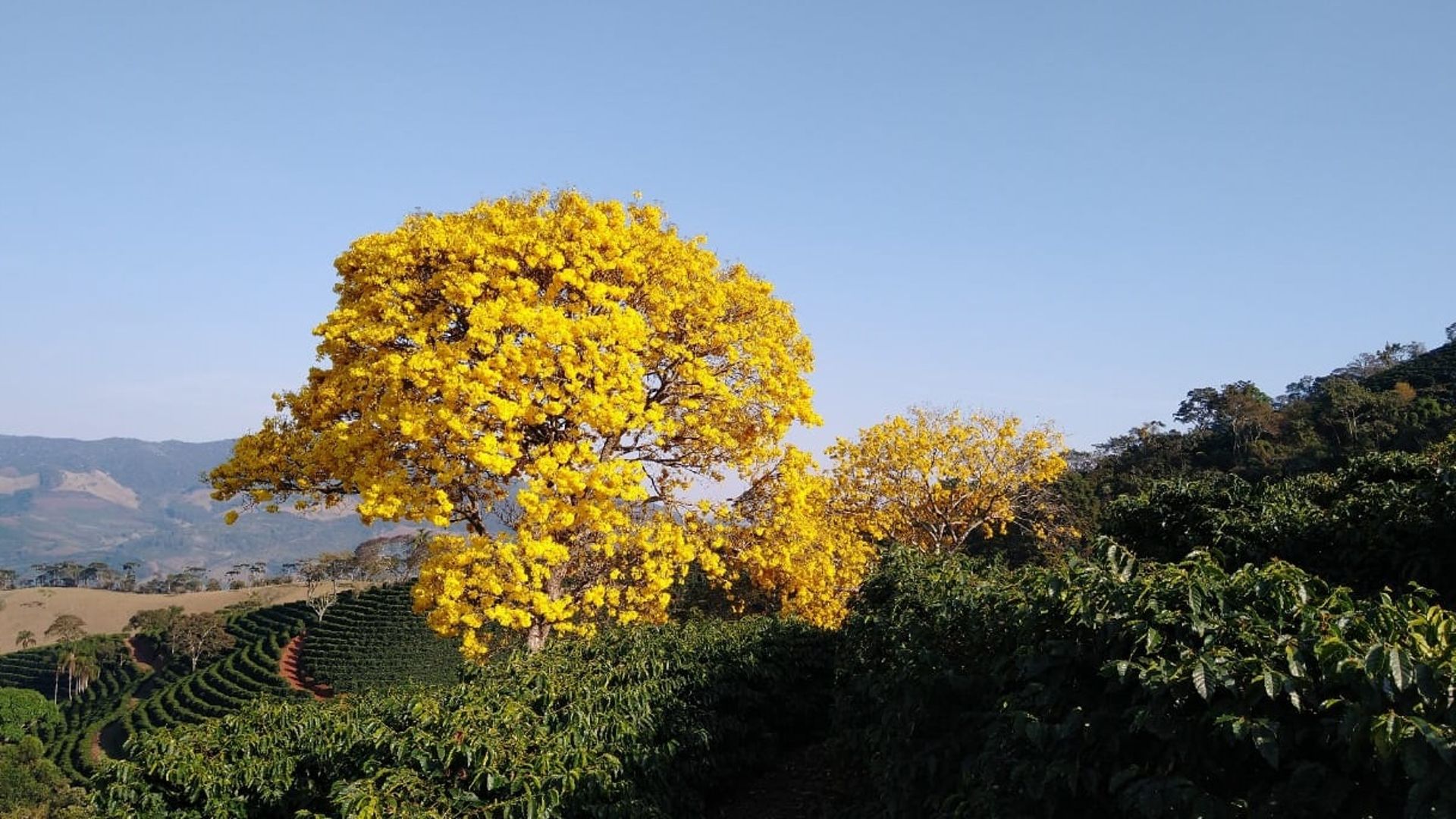
The product’s qualities come from the place itself: altitude, soil, climate, terrain — and the know-how of those who work there. Caparaó and Mantiqueira de Minas are DOs.
The place became known as a center of production or extraction for that product. It recognizes a reputation the region built over time.
Full traceability
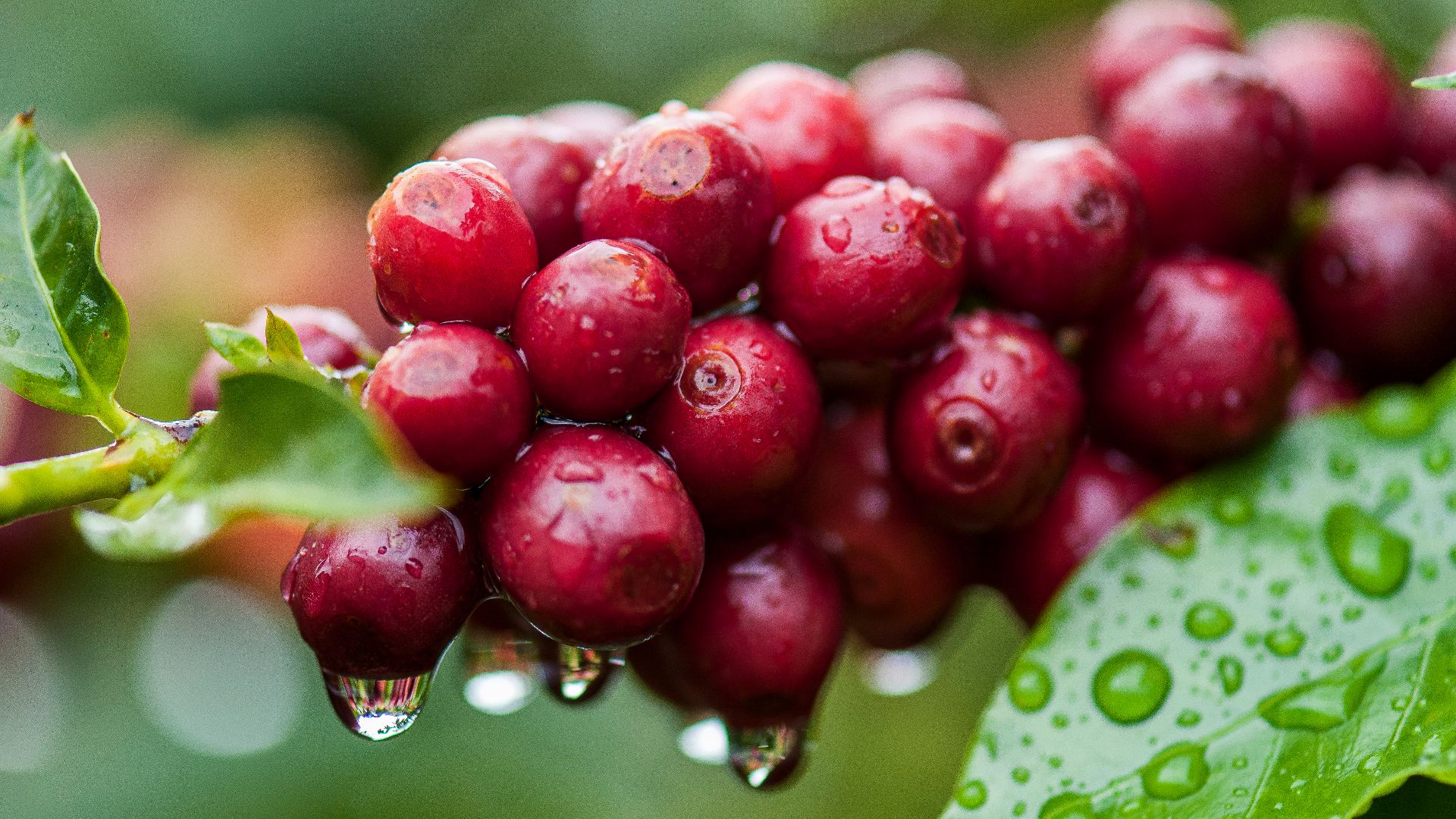
Behind every seal on this showcase is a management, control and traceability system run by the GI’s managing entity. Producers and properties are registered, each lot is declared and approved, and the seal on the package carries a unique code. Buyers confirm origin — region, property, producer and product traits — on their phone.
The goal is stronger assurance for consumers and markets about quality rooted in origin. Controlled origin is also sustainability: knowing where a product comes from means knowing how it was made — at what altitude, with which practices, by which families — and makes it possible to recognize and reward good production.
Put your brand beside those who produce with origin.
Companies and institutions can support a specific region or the national GI movement — visibility for the territory, for producers, and for those who sustain the work.
Note: long editorial copy for regions and producers remains in Portuguese until full EN translation.